Furnace or Heat Pump: Which Heating System is Better?
Furnace or Heat Pump: Which Heating System is Better?
Furnace or Heat Pump: Which Is Better for Cost, Efficiency, and Hialeah’s Climate?
If you live in Hialeah, FL, deciding between a furnace and a heat pump comes down to cost, efficiency, and how well each system suits our local weather. This comprehensive guide breaks down how each system works, what you can expect to invest in their installation and ongoing operation, and which option usually makes the most sense for South Florida homes. With energy prices rising, picking the right system now can significantly improve comfort and lower bills for years to come. We’ll cover the fundamental principles, compare costs and efficiency, outline the distinct pros and cons of each, and offer practical tips to help you choose the optimal solution for your house.
What Are Furnaces and Heat Pumps? Understanding Heating System Basics
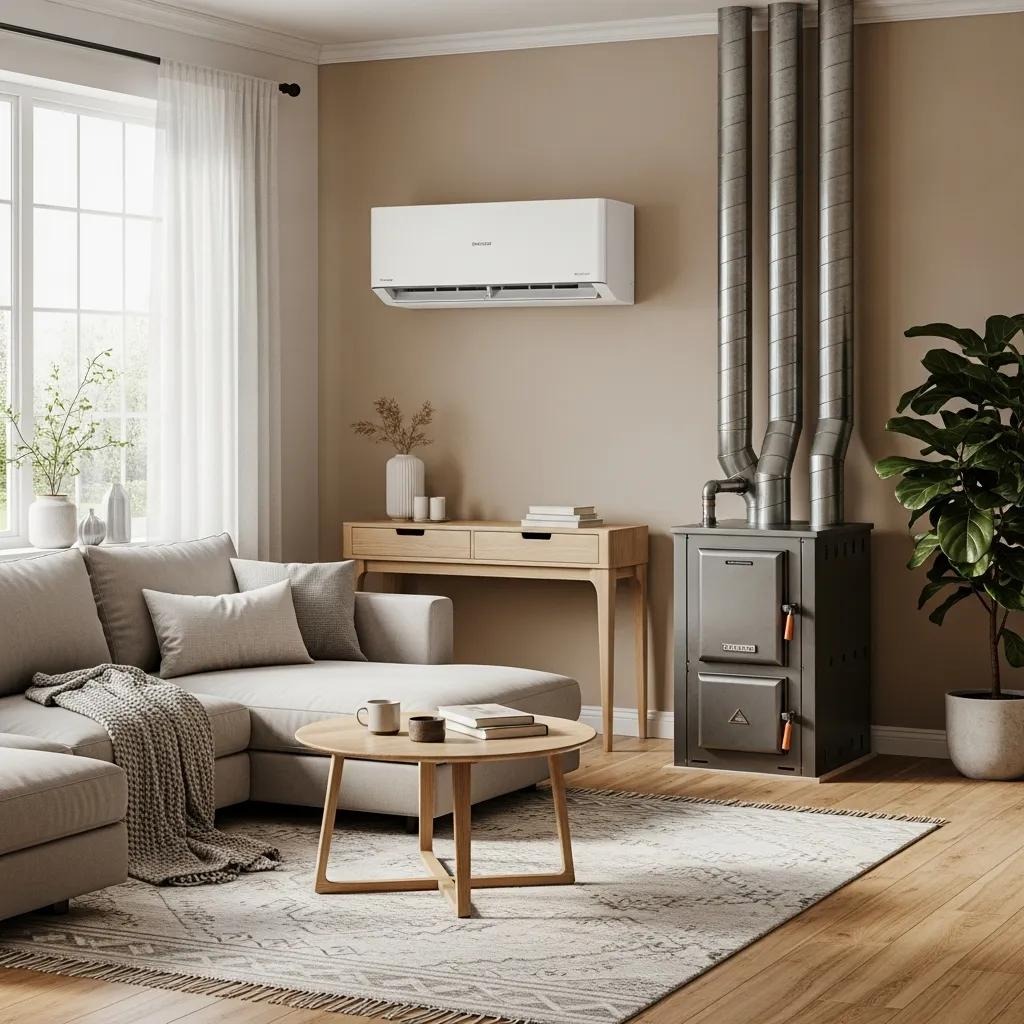
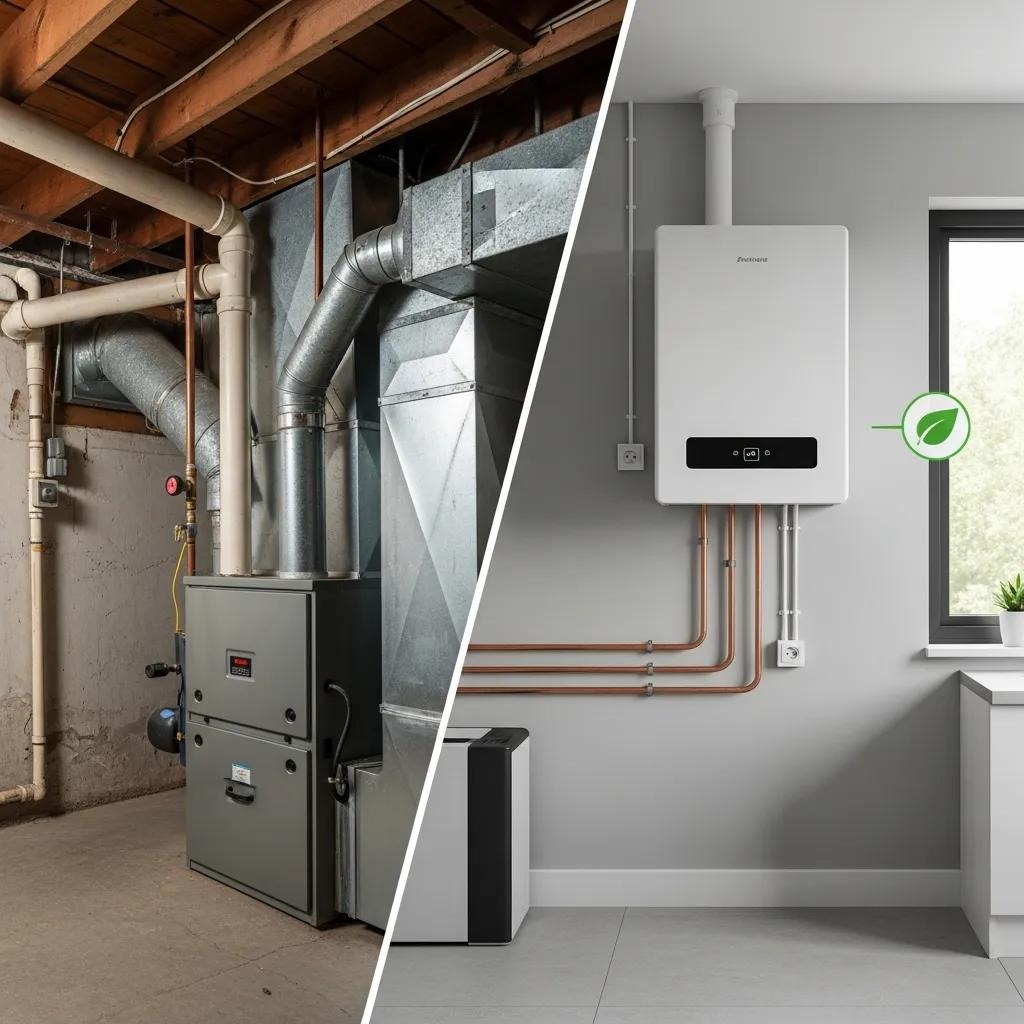
Both furnaces and heat pumps keep your home comfortable, but they achieve this through fundamentally different mechanisms. A furnace generates heat—typically by burning natural gas or utilizing electricity—and then distributes this warm air through a system of ductwork to raise indoor temperatures quickly and consistently. In contrast, a heat pump moves heat rather than creating it: in summer it extracts heat from inside your home and expels it outdoors, and in cooler months it efficiently extracts heat from the outdoor air, even when temperatures are mild, and transfers it inside. Because heat pumps offer both heating and cooling capabilities within a single unit, they are often considered a smart, energy-efficient choice for Hialeah’s characteristic mild winters and hot, humid summers.
How Does a Furnace Work and What Fuel Types Are Used?
Furnaces operate by heating air, usually within a combustion chamber or via electric coils, and then circulating this warmed air throughout your home via a network of ducts. Common fuel types include natural gas and electricity; propane or oil are less typical in Florida due to availability and cost. Gas furnaces are known for delivering strong, fast heat and can be cost-effective where natural gas lines are readily available. Electric models provide a practical alternative when gas infrastructure is absent. The efficiency of furnaces is measured by their Annual Fuel Utilization Efficiency (AFUE) rating, with modern gas furnaces capable of reaching AFUE ratings between roughly 80% and 98%.
How Do Heat Pumps Operate and Provide Both Heating and Cooling?
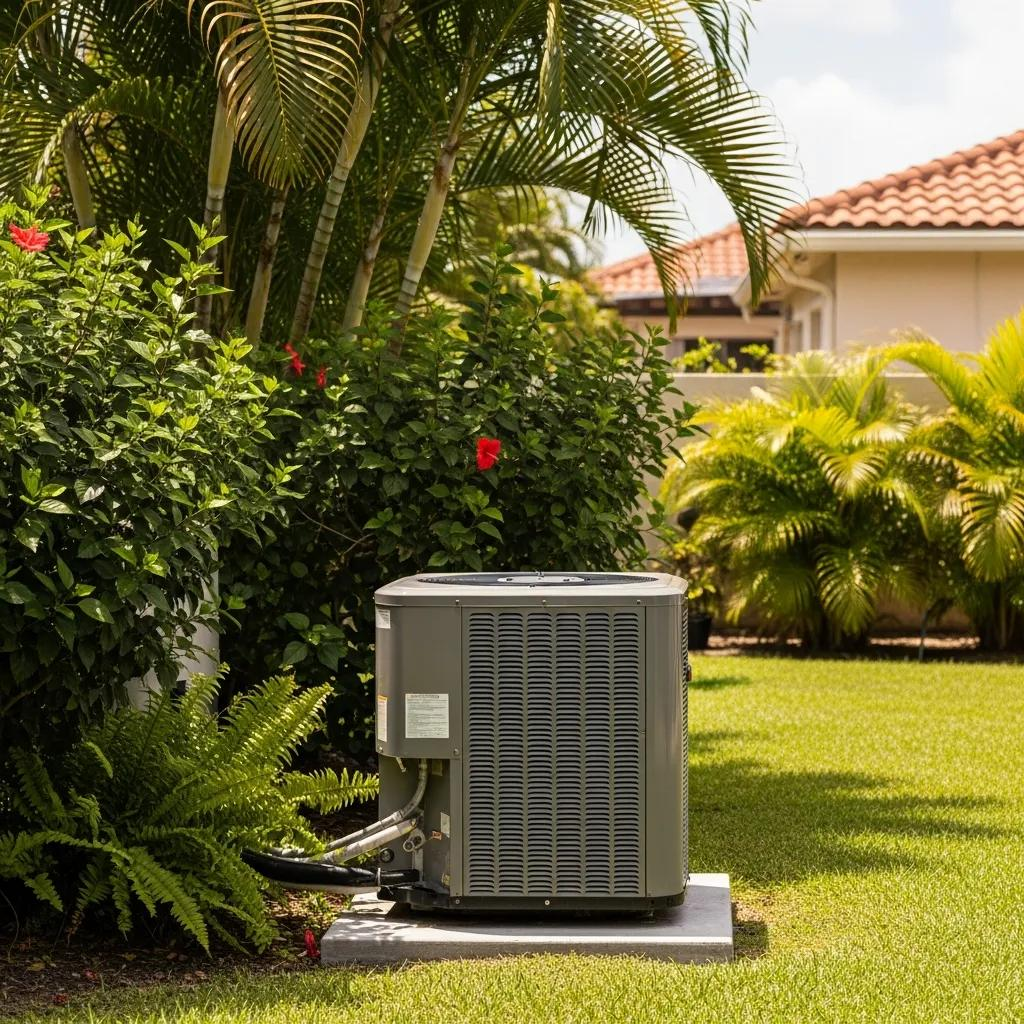
Heat pumps function by transferring thermal energy from one location to another, rather than generating heat directly. In the summer, they operate much like a conventional air conditioner, absorbing heat from your indoor air and releasing it outside. In winter, the process reverses: they draw latent heat from the outdoor air—even when it feels cool to us—and transfer it indoors to warm your living space. This remarkable dual operation makes a single heat pump an exceptionally efficient year-round climate control system, particularly well-suited for Florida’s moderate climate.
How Do Heat Pump and Furnace Costs Compare? Installation and Operating Expenses Explained
When selecting a new HVAC system, both the upfront installation cost and the ongoing operating expenses are critical considerations. Several factors influence the total investment: the specific system type, its capacity, energy-efficiency ratings, whether new or modified ductwork is required, and local labor and permit costs. It's essential to evaluate the total cost of ownership over the system's lifespan, rather than focusing solely on the initial sticker price.
Heating System
Installation Cost
Average Operating Cost
Lifespan
Furnace
Moderate to Significant Investment
Moderate to Higher Monthly
15-20 years
Heat Pump
Slightly Higher Initial Investment
Generally Lower Monthly
10-15 years
What Are the Typical Installation Costs for Furnaces vs. Heat Pumps in Hialeah?
In Hialeah, furnace installations commonly represent a moderate to significant investment, typically ranging from a few thousand dollars to several thousand dollars, depending on the unit type, size, and complexity. Heat pump installations often fall into a slightly higher initial investment range, frequently several thousand dollars. The final price is highly dependent on the installation complexity, any necessary ductwork modifications, and prevailing local labor rates—therefore, planning for a site-specific quote after a professional assessment is always recommended.
How Do Operating Costs Differ Between Heat Pumps and Furnaces?
Operating costs for both systems vary significantly with fluctuating fuel prices and individual usage patterns. Furnaces generally incur a moderate to higher monthly operating cost, particularly if relying on electricity or if natural gas prices are elevated. In contrast, heat pumps typically cost less to operate, often resulting in significantly lower monthly bills. This efficiency advantage stems from heat pumps' ability to move heat rather than generate it, requiring less energy input for the same heating or cooling output.
Which Heating System Is More Energy Efficient? Comparing AFUE, SEER, and HSPF Ratings
Understanding energy ratings is crucial for comparing the efficiency of different HVAC systems. These ratings provide standardized metrics for performance, with higher numbers consistently indicating better efficiency and, consequently, lower operating costs over the system's lifetime.
What Do AFUE, SEER, and HSPF Ratings Mean for Homeowners?
AFUE, SEER, and HSPF are key metrics that measure how efficiently systems convert or move energy:
AFUE (Annual Fuel Utilization Efficiency): This rating indicates the percentage of fuel a furnace converts into usable heat for your home. A higher AFUE means less energy is wasted, leading to greater efficiency.
SEER (Seasonal Energy Efficiency Ratio): SEER rates the cooling efficiency of air conditioners and heat pumps during the cooling season. Higher SEER numbers signify superior cooling performance and lower cooling costs.
HSPF (Heating Seasonal Performance Factor): HSPF specifically measures a heat pump’s heating efficiency over a typical heating season. Higher HSPF values denote more efficient winter performance, translating to reduced heating expenses.
When choosing equipment, prioritizing models with higher efficiency ratings is a wise long-term strategy. While these models may have a higher upfront cost, they typically deliver substantial savings on energy bills over many years, making them a sound investment.
How Do Heat Pumps and Furnaces Perform in Florida’s Climate?
Heat pumps are exceptionally well-suited to Florida’s warm, humid climate. They excel at providing both heating and cooling efficiently, consume less energy than traditional electric furnaces, and play a significant role in controlling indoor humidity levels, which is vital in our region. Gas furnaces are less common here because winters are generally mild, making cooling the dominant need for most of the year. For the majority of Hialeah homes, a heat pump offers a practical, energy-conscious, and highly effective year-round climate control solution.
What Are the Pros and Cons of Furnaces and Heat Pumps? Benefits and Drawbacks for Home Comfort
Pros of Heat Pumps:
Exceptional Energy Efficiency: Heat pumps move heat rather than producing it, which significantly lowers electricity consumption for both heating and cooling.
Year-Round Comfort: They provide both heating and cooling capabilities from a single, integrated system, simplifying your home's climate control.
Improved Indoor Air Quality: Many modern heat pump units support advanced filtration options, which can effectively reduce allergens, dust, and other indoor pollutants.
Environmentally Friendly: Their lower energy consumption generally translates to a smaller carbon footprint compared to traditional heating systems.
Quiet Operation: Contemporary designs are engineered to run quietly, minimizing disruption to your home environment.
Long Lifespan: With proper and consistent maintenance, heat pumps typically operate efficiently for 10–15 years, with some high-quality models lasting up to 20 years.
Cons of Heat Pumps:
Higher Initial Investment: While offering long-term savings, high-efficiency heat pumps can have a higher upfront installation cost compared to some furnace options.
Performance in Extreme Cold: Although less common in Hialeah, heat pump efficiency can decrease in unusually frigid temperatures, potentially requiring a supplemental heating source.
Reliance on Electricity: As heat pumps are electrically powered, their operation is dependent on a consistent power supply, and electricity price fluctuations can impact operating costs.
Air Temperature Output: The air delivered by a heat pump in heating mode may feel less intensely warm than air from a furnace, as it's transferring heat rather than generating high heat.
What Are the Key Benefits and Limitations of Furnaces?
Key Benefits of Furnaces:
Strong, Rapid Heating Output: Furnaces are renowned for delivering powerful, fast heat, quickly raising indoor temperatures and maintaining consistent warmth, even in colder climates.
Cost-Effective Where Gas Is Available: Gas furnaces can be very economical to run if your property has an existing natural gas line, often providing lower fuel costs than electricity.
Improved Efficiency in New Models: Modern furnaces are significantly more efficient than older units, incorporating technologies that can substantially lower energy bills.
Limitations of Furnaces:
Less Common in Warm Climates: In Hialeah and similar warm regions, furnaces are not typically the primary heating choice due to the mild winters and predominant need for cooling.
Sizing Matters Critically: An improperly sized furnace (either too large or too small) will not operate efficiently, leading to higher energy costs, uneven heating, and increased wear and tear on the system.
Specific Maintenance Requirements: Gas furnaces, in particular, require regular professional inspections for safety and efficiency, including crucial checks for potential issues like carbon monoxide leaks.
Separate Cooling System Needed: Furnaces only provide heating, meaning a separate air conditioning unit is required for cooling, adding to overall system complexity and maintenance.
What Are the Advantages and Disadvantages of Heat Pumps?
Advantages of Heat Pumps:
High Energy Efficiency: Heat pumps typically use significantly less electricity than traditional electric resistance heating, leading to substantial energy savings.
All-Season Comfort: They provide both efficient heating and cooling from a single, integrated system, offering comprehensive climate control year-round.
Better Indoor Air Quality Options: Many models are compatible with advanced air filtration systems, which can effectively reduce allergens, dust, and other airborne particulates.
Lower Carbon Footprint: Due to their reduced energy consumption, heat pumps contribute to a lower carbon footprint compared with many traditional heating and cooling systems.
Quiet Performance: Modern heat pump designs are engineered for quiet operation, ensuring minimal noise disruption inside and outside your home.
Durability with Maintenance: With consistent and proper upkeep, many heat pump systems can reliably operate for 10–15 years or even longer.
Excellent Dehumidification: Heat pumps are highly effective at removing excess humidity from indoor air, a significant advantage in humid climates like Hialeah.
Single-System Convenience: Having one system for both heating and cooling simplifies installation, maintenance, and overall operation.
Disadvantages of Heat Pumps:
Higher Initial Cost: While offering long-term savings, the upfront installation cost for a heat pump, especially high-efficiency models, can be greater than that of a furnace.
Performance in Extreme Cold: Although rare in Hialeah, heat pump efficiency can diminish in very low temperatures, potentially requiring a supplementary heating source to maintain desired warmth.
Reliance on Electricity: Heat pumps are entirely electric, meaning their operation is tied to electricity costs and availability, which can be a factor during power outages.
Air Temperature Output: The heated air from a heat pump may feel cooler than that from a furnace, as it operates by transferring heat rather than generating intense warmth.
Defrost Cycle: In colder conditions, heat pumps periodically enter a defrost cycle to prevent ice buildup on the outdoor coil, which can temporarily reduce heating output.
How Do Lifespan and Maintenance Requirements Compare Between Furnaces and Heat Pumps?
The typical lifespans and maintenance needs for furnaces and heat pumps share some commonalities, yet also have distinct characteristics. Heat pumps generally operate effectively for 10–15 years, with well-maintained units often extending their service life to 20 years. Furnaces commonly last between 15–20 years, depending on the model, usage, and quality of upkeep. For both systems, regular professional maintenance is not just recommended but essential to preserve efficiency, ensure reliability, and maintain warranty coverage throughout their operational life.
What Is the Average Lifespan of Furnaces and Heat Pumps?
On average, heat pumps typically last about 10–15 years; however, high-quality, well-serviced models can often reach an impressive 15–20 years of reliable operation. Furnaces generally fall within the 15–20 year range, with their longevity largely dependent on the specific model, the intensity of use, and the consistency of professional maintenance.
What Maintenance Plans Are Recommended for Each Heating System?
Comprehensive maintenance plans are crucial for maximizing the efficiency and lifespan of both furnaces and heat pumps. Recommended plans often include:
Basic Care Plan: This plan is ideally suited for newer systems that require routine checks and fundamental upkeep to ensure optimal performance.
Elite Coverage Plan: Designed for older equipment or homes with more complex climate-control needs, offering more extensive inspections and priority service.
Both types of plans typically include bi-annual inspections (ideally before the heating and cooling seasons), filter changes, and a detailed service report. We strongly recommend scheduling professional maintenance annually—preferably before the cooler season for heating systems and before the warmer season for cooling components—to keep your systems running efficiently, prevent unexpected breakdowns, and extend their operational life.
How to Choose the Best Heating System for Your Hialeah Home? Local Factors, Incentives, and Expert Advice
To select the most suitable heating and cooling system for your Hialeah home, it's imperative to consider a range of local factors, potential incentives, and expert guidance:
Local Climate Assessment: Hialeah’s weather is predominantly warm and humid, but reliable heating is still necessary during cooler periods. Prioritize energy-efficient options and strongly consider heat pumps for their year-round comfort capabilities.
Types of Heating Systems Available:
Heat Pumps: Highly efficient for both heating and cooling, making them exceptionally well-suited to our mild winters and hot summers.
Ductless Mini-Split Systems: An excellent choice for homes without existing ductwork or for achieving precise zoned temperature control in specific areas.
Furnaces: Provide fast, strong heat. If a furnace aligns with your property's needs, explore modern, high-efficiency models.
Comprehensive Property Assessment: The size of your home, the condition of existing ductwork, insulation levels, and your specific comfort preferences all significantly influence the most appropriate system recommendation. A professional, on-site assessment is invaluable for determining the best match.
Installation Costs Evaluation: Expect variations in installation costs based on the system type, capacity, energy-efficiency ratings, any necessary ductwork modifications, and local labor rates. Always obtain a detailed, itemized quote after an on-site evaluation.
Expert Advice Consultation: Consult with HVAC professionals who possess a deep understanding of local climate needs and building codes. Llarena Service Center LLC specializes in recommending and installing systems optimally suited for Hialeah homes.
Incentives and Rebates Research: Actively check for local incentives or rebates offered by utility companies or government programs, as these can significantly help offset the initial installation costs for energy-efficient equipment.
What Local Climate and Energy Cost Factors Affect Heating System Choice?
Key local considerations that profoundly impact your heating system choice include:
Climate Challenges: Hialeah's specific temperature patterns, high humidity levels, and cooling demands directly influence the required heating capacity and the system's dehumidification capabilities.
Energy Efficiency Ratings: Investing in systems with higher SEER and HSPF ratings, while potentially costing more initially, almost always results in substantial long-term savings on energy bills.
Ductwork Condition: The existing condition of your ductwork, or the need for new duct installation or extensive repairs, will add to the overall cost and can influence the most practical system selection.
Installation Complexity: Factors such as accessibility to the installation site, the need for electrical upgrades, and other site-specific challenges can increase labor costs and overall project duration.
Local Regulations and Permits: Adherence to local building codes and obtaining necessary permits may influence the scope of the installation and its associated price.
What Financing Options and Rebates Are Available for Heat Pumps and Furnaces?
It's important to explore all available financial assistance. Federal tax credits are frequently available for qualifying high-efficiency heat pump installations, which can significantly lower your initial investment. For other financing options, flexible payment plans, and information on local rebates specific to your area, we recommend checking directly with your chosen installer or visiting our financing page to review current programs and offers that can make energy-efficient upgrades more accessible.
Conclusion
Your decision between a furnace and a heat pump in Hialeah is a significant one, impacting your home's comfort, energy consumption, and long-term financial outlay. For the vast majority of South Florida homes, heat pumps emerge as a highly efficient solution, providing reliable year-round heating and cooling with the added benefit of generally lower operating costs. Furnaces, while less common in our climate, still offer strong, consistent heat where specifically needed. For personalized recommendations tailored to your unique home and a clear, comprehensive cost estimate, we encourage you to contact our HVAC experts. We will conduct a thorough assessment of your property and help you choose the system that perfectly aligns with your comfort needs and budget.
Sed iaculis aenean sit sed risus arcu vitae integer elit.
5 min read
Expert Refrigerant Leak Detection and Repair Services
When my AC developed a refrigerant leak, I relied on professional leak detection and repair services. Breathe easy knowing your comfort is in expert hands!
Upgrade your home with expert HVAC tips for effective renovations. Enhance efficiency, comfort, and indoor air quality while maximizing your investment.




.png)