

5 min read
Expert Refrigerant Leak Detection and Repair Services
When my AC developed a refrigerant leak, I relied on professional leak detection and repair services. Breathe easy knowing your comfort is in expert hands!

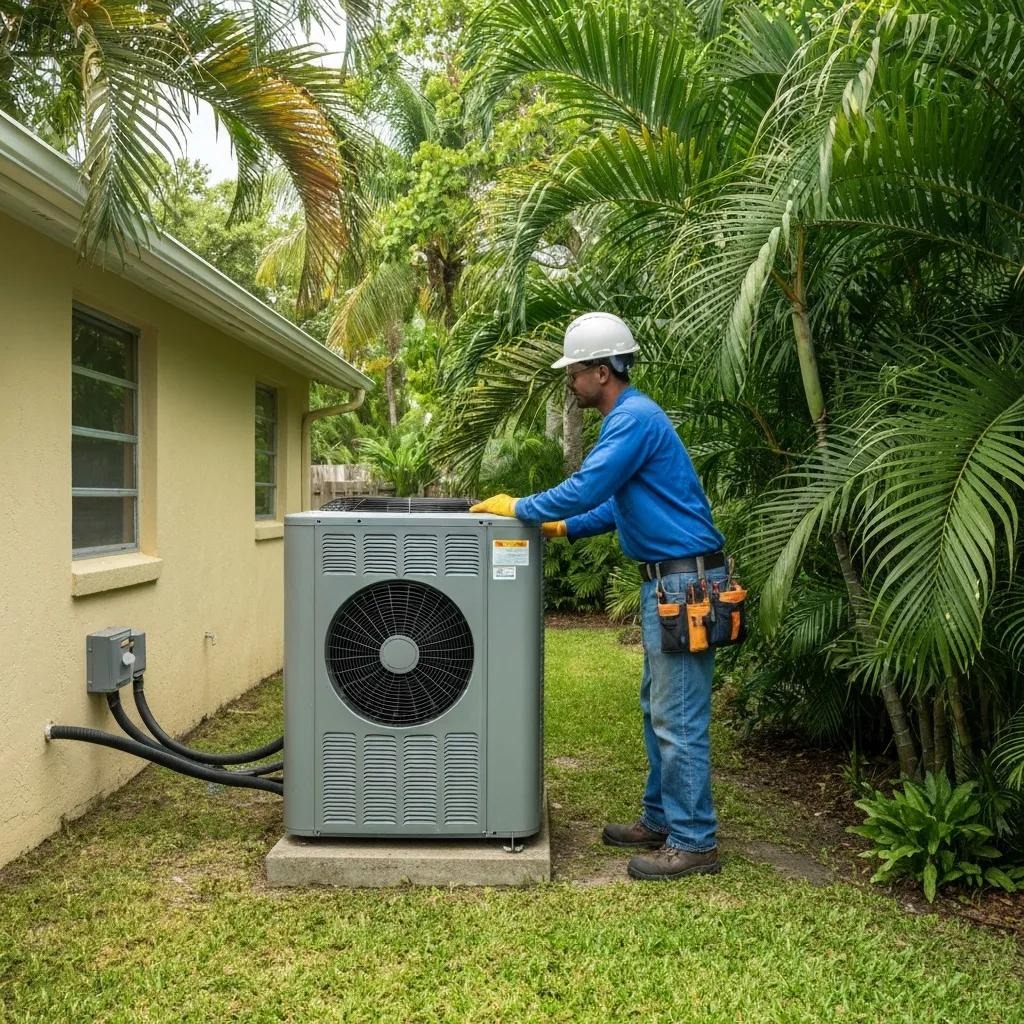
Keeping your heat pump maintained makes a big difference in Hialeah’s humid, year‑round climate. This guide lays out practical, preventative steps you can take—what to check by season, simple DIY tasks that are safe for homeowners and staff, and when to call in a pro to protect equipment and warranties. Skipping routine care often results in lower efficiency, higher electric bills, and a greater risk of emergency repairs. Read on for clear, step‑by‑step actions, a DIY checklist for filters and outdoor units, advice on professional inspection frequency and diagnostics, seasonal tips for humid subtropical weather, and how maintenance plans save money over time. If you’d rather have local help, Llarena Service Center LLC offers maintenance plans and 24/7 service to schedule professional inspections when a DIY check shows something’s off. Use this to build a simple, dependable routine that keeps your system efficient, improves indoor air quality, and lowers the chance of urgent breakdowns.
Regular maintenance is a set of preventive steps that keep a heat pump’s airflow, heat‑exchange surfaces, refrigerant system, and controls working as intended. By removing dirt, clearing airflow restrictions, and fixing small issues early, maintenance reduces run time, saves energy, and extends equipment life. It also protects indoor air quality—important in humid places like Hialeah—by preventing mold and particle buildup in filters and condensate lines. Neglecting upkeep increases the risk of compressor stress, refrigerant faults, and premature replacement. Catching problems early cuts emergency repair costs and downtime. The next section explains how tasks such as filter care, coil cleaning, and refrigerant checks improve performance and longevity.
Simple maintenance steps help each major component—filters, coils, compressor, and fans—work together with less resistance and the correct refrigerant charge. Clean air filters let the blower move air without extra strain, which shortens cycle times and reduces wear on the compressor, lowering operating costs. Cleaning coils restores full heat‑transfer surface area so the refrigerant can do its job without the compressor running longer than needed. Checking refrigerant levels prevents under‑ or overcharge conditions that stress the compressor and cause uneven heating or cooling. Knowing how these parts interact helps you focus on the tasks that give the biggest performance boost.
When maintenance is skipped, problems compound: filters clog, airflow drops, coils get dirty, and condensate lines block. Together these issues raise energy use and reduce comfort, and—if left unchecked—can lead to compressor failure, refrigerant leaks, or electrical faults that require costly repairs or full replacement. In humid climates, blocked drains and damp coils increase mold risk and hurt indoor air quality, which can create health and remediation costs. Waiting too long to call a technician when you notice frequent cycling, odd noises, or unpleasant odors can also void warranties and multiply repair bills. Timely checks and service help avoid those outcomes and keep systems dependable.
A basic DIY checklist covers visual inspections, air filter care, outdoor unit housekeeping, and quick thermostat checks you can safely do between professional visits. These tasks preserve airflow, remove debris that blocks heat exchange, and surface early warning signs—without touching refrigerant or internal electrical components. Do these monthly or seasonally depending on usage to reduce strain and know when to call a technician. Below is a concise checklist of common homeowner tasks and where to stop and call a pro.
This list shows safe, routine work most homeowners can handle. The table below outlines tools, recommended frequency, and safety notes so you can plan maintenance and understand when a job needs a technician.
Different DIY tasks require different tools, skill levels, and inspection intervals to stay safe and effective.
Always switch the system off before removing filters to avoid moving parts and dust spread. Take out the filter, look for dirt or damage, then either vacuum washable filters gently or replace disposable ones with the manufacturer‑recommended MERV rating. Higher MERV filters trap more particles but can restrict airflow if your system isn’t designed for them. In Hialeah’s humid, pollen‑heavy months check filters more often—every month is a good rule—and replace them every 1–3 months depending on use and occupancy. Make sure the filter is reinstalled the right way and the access panel seals before turning the system back on; otherwise you’ll get bypass and lower efficiency. Proper filter care reduces blower stress, improves indoor air quality, and cuts run time.
Start by shutting off electrical power at the unit disconnect, then remove leaves, twigs, and grass clippings from around the condenser to protect fins and coils. Use a soft brush and low‑pressure water to rinse coils from the inside out—avoid high‑pressure washers that can bend fins or damage coils. Keep at least two feet of clearance and trim nearby plants regularly so airflow remains unobstructed. Minor fin bends can be corrected with a fin comb; large damage should be handled by a technician. Never attempt refrigerant work or internal electrical checks—those require certified tools and training. Knowing when to stop DIY protects safety and warranties.
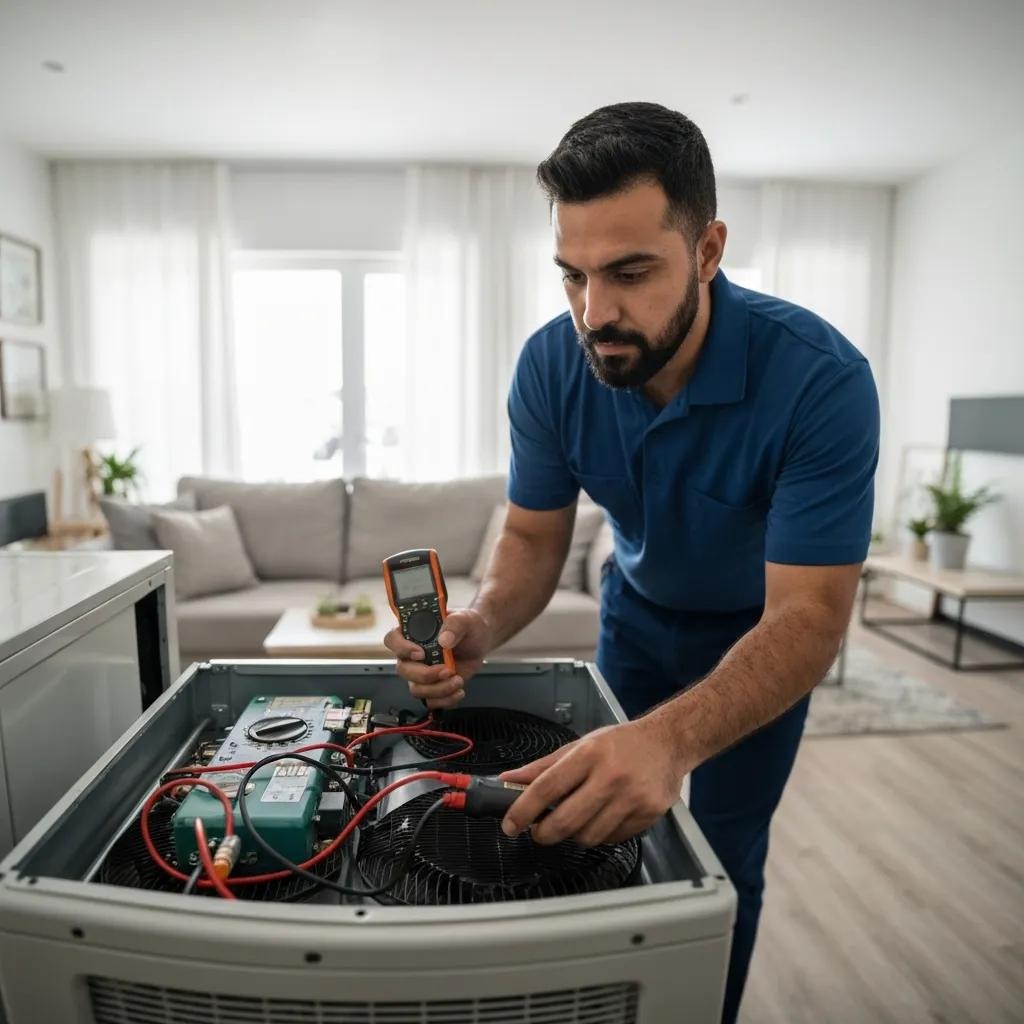
Professional tune‑ups are performed by trained HVAC technicians with diagnostic tools to test electrical systems, refrigerant charge, and overall performance—work you shouldn’t try at home. Plan on at least one annual tune‑up to check refrigerant levels, electrical integrity, coil condition, and safe operation. In Hialeah’s humid climate—or for multi‑stage systems—consider inspections twice a year (spring and fall) for best protection and efficiency. Professional services uncover issues before they become expensive failures and often preserve warranty coverage; examples include refrigerant leak detection, amp draw testing, and deep coil cleaning. Llarena Service Center LLC offers maintenance plans and 24/7 scheduling to book these tune‑ups and coordinate priority service when diagnostics show a problem. The table below summarizes recommended pro services and why they matter.
Recommended professional services and their suggested frequency help owners plan inspections and expected results.
Following this schedule makes it clear when professional expertise is needed and how proactive service preserves reliability and efficiency.
Coil cleaning and refrigerant checks act on the heat pump’s core process: clean coils expose full surface area for heat exchange, and the correct refrigerant charge keeps evaporating and condensing pressures within manufacturer tolerances. Dirty coils act like insulation, forcing longer run times; cleaning them reduces runtime and compressor stress. Proper refrigerant levels prevent liquid slugging or overpressure conditions that damage compressors, and leak detection prevents slow performance decline. Regular professional attention to these areas produces measurable efficiency gains, lower energy costs, and longer system life.
Being familiar with common heat pump problems helps you maintain equipment and spot issues early.
Seasonal care adapts routine maintenance to Hialeah’s humid subtropical weather, with a focus on humidity control, condensate management, and storm readiness to prevent mold and moisture damage. High humidity raises the risk of coil fouling and drain blockages, so seasonal checks prioritize filter frequency, clearing drains, and making sure outdoor units are free of storm debris. Preparing before heavy‑use months and inspecting equipment after storms helps prevent corrosion and foreign‑object damage. The sections below break down seasonal tasks and thermostat tips to keep comfort and efficiency steady year‑round.
These seasonal steps reduce moisture risks and keep comfort consistent. The next section covers thermostat settings that help year‑round efficiency.
In humid climates the most important seasonal tasks are frequent filter checks, condensate drain monitoring, coil inspections, and keeping outdoor units clear after storms. Check filters monthly during peak pollen and wet months and replace them as soon as they look loaded to avoid restricted airflow and fungal growth. Flush or vacuum condensate lines seasonally to prevent standing water and biofilm; if mold or stubborn clogs are present, call a technician. After storms, inspect the outdoor unit for debris, bent fins, or water entry into electrical compartments—moisture intrusion can cause corrosion and electrical faults that require pro attention.
Use modest setbacks, programmable or smart thermostats, and sensible setpoints to reduce runtime without sacrificing comfort. For cooling, aim for mid‑70s Fahrenheit when occupied and allow modest setbacks when you’re away; heating can be set lower where climate allows. Smart thermostats add value with schedules, remote control, and runtime diagnostics that prompt filter reminders and reveal trends. Proper setpoints and scheduling reduce short cycling and overall runtime, complementing mechanical maintenance and improving system efficiency.
Rather than list prices, this section helps you weigh maintenance plan value against long‑term energy savings and fewer repairs. Regular maintenance lowers the chance of emergency repairs and can extend equipment life, creating savings through lower energy bills and deferred replacement costs—often outweighing the yearly service investment. Costs vary by system age, complexity, and local labor rates, but the main value comes from avoiding major failures and keeping efficiency high. Maintenance plans bundle services to give predictable care and budgeting; the conceptual comparison below outlines common plan tiers and their benefits without pricing.
Llarena Service Center LLC offers maintenance tiers and occasional promotions—Basic Care, Premium Protection, and Elite Coverage—plus perks like discounted repairs for active members and installation credits. These tiers layer benefits such as priority scheduling and repair discounts to reduce out‑of‑pocket expenses over time. The summary below helps you match a plan to your comfort needs and risk tolerance.
Maintenance plan tiers provide different mixes of preventive services and financial protections.
Joining a plan turns unpredictable repair bills into scheduled preventive care and discounts, helping lower lifecycle costs.
Choosing between reactive repairs and proactive maintenance is key to getting the longest service life from your HVAC equipment.
Llarena’s maintenance plans group recurring tune‑ups, priority scheduling, and repair discounts into a predictable path that reduces the risk of expensive emergency work and long‑term inefficiency. Enrolling in Basic Care, Premium Protection, or Elite Coverage ensures regular inspections that catch problems early; many plans also include discounted repairs or install credits when annual maintenance is kept current, which lowers replacement exposure. Priority scheduling limits downtime for businesses by speeding response when problems arise, protecting operations and cutting indirect costs. These plan features turn routine maintenance into measurable financial benefits by reducing surprise expenses and increasing equipment longevity.
Consistent maintenance lowers runtime, preserves the heat pump’s coefficient of performance, and reduces emergency repair frequency—delivering meaningful lifecycle savings for homes and businesses. Properly maintained systems hold rated efficiency longer and are less likely to suffer premature compressor failure, which delays replacement. Less run time and fewer full‑capacity cycles translate to lower monthly bills, while early detection of refrigerant leaks and electrical wear prevents high‑cost emergency fixes. A mix of scheduled professional tune‑ups and routine DIY care creates a compounding benefit: each preventive step lowers the chance and cost of future failures.
Typical problems include poor airflow, thermostat faults, refrigerant leaks, frozen coils, noisy operation, and condensate drain blockages. Many of these are preventable or detectable early with regular maintenance. Routine filter changes, keeping the outdoor area clear, condensate inspections, and scheduled professional inspections all reduce the likelihood of these failures by keeping airflow and heat exchange within design limits and revealing refrigerant or electrical anomalies early. Below is a short mapping of common issues to the maintenance actions that usually prevent them.
These pairings show how simple maintenance steps stop common failures and lead into the next section on early diagnostics and escalation.
Start with basic diagnostics: inspect filters, vents, and registers for blockages, then confirm the fan runs and listen for abnormal motor sounds. If airflow is still poor after filter and vent checks, look for obstructions in return ducts and make sure supply registers are open; persistent low airflow usually needs a professional duct and blower inspection. For thermostats, check batteries, verify program settings, and recalibrate or reset if temperature readings don’t match the room. Smart thermostats may need firmware updates or connectivity checks. If these steps don’t restore normal performance, schedule professional diagnostics to prevent prolonged compressor strain and a loss of comfort.
Call a professional if you notice red‑flag signs like refrigerant smells, continuous water leaks, repeated circuit‑breaker trips, grinding or loud banging noises, or a steady performance drop despite DIY checks. Those symptoms can indicate electrical faults, refrigerant leaks, mechanical wear, or condensate failures that require certified tools and refrigerant handling. If you smell refrigerant, shut the system off and contact a technician right away—refrigerant exposure and compressor damage are serious. Early professional intervention reduces repair complexity and cost and prevents collateral damage that could force a full system replacement.
This guide gives a local, practical approach to heat pump care in Hialeah: safe DIY checks, seasonal priorities, professional scheduling, and the value of maintenance plans to protect efficiency and lower lifecycle costs.

.png)