

5 min read
Expert Refrigerant Leak Detection and Repair Services
When my AC developed a refrigerant leak, I relied on professional leak detection and repair services. Breathe easy knowing your comfort is in expert hands!

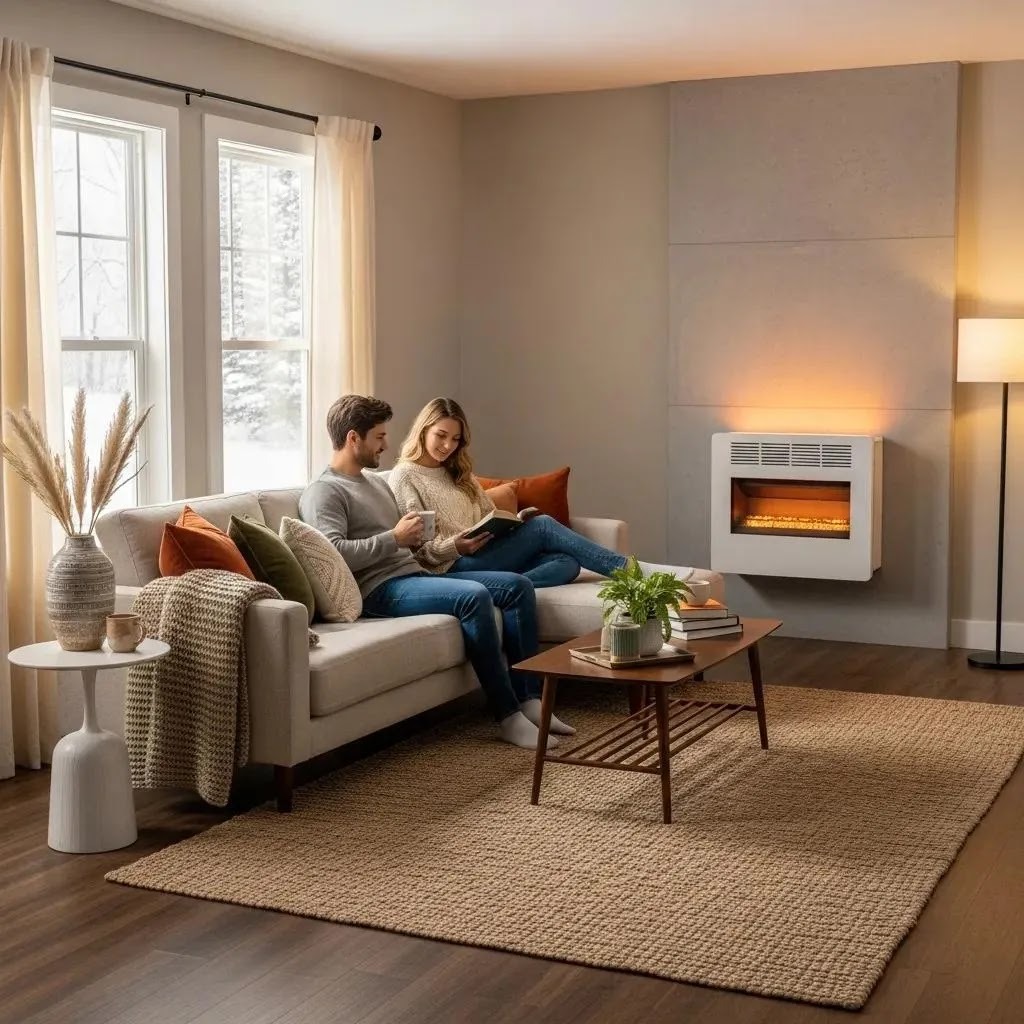
Planning HVAC upgrades during home remodeling is a crucial step that can greatly enhance both the comfort and energy efficiency of your home. As homeowners undertake renovation projects, it is important to understand the complexities involved in upgrading HVAC systems. This article provides comprehensive guidance on the general costs associated with HVAC replacements, the advantages of energy-efficient systems, and practical advice for ductwork and smart thermostat installations. Many homeowners encounter challenges in budgeting for these upgrades while selecting the right technologies to improve their living spaces. By addressing these concerns, this guide offers clear and actionable insights for effective HVAC planning during remodeling projects.
Replacing an HVAC system during a remodeling project can require a considerable investment, with costs varying widely depending on several factors. These factors include the size of the home, the complexity of the installation, and the type of system being installed. Homeowners should also consider the general guideline that if repair expenses become substantial, replacement often proves to be the more cost-effective option. Understanding these cost considerations is essential for creating a realistic budget.
Budgeting for HVAC upgrades involves multiple important factors. Homeowners should begin by identifying all necessary expenses, such as equipment costs, installation fees, and any modifications needed for existing ductwork. Exploring financing options can also help alleviate the financial burden associated with these upgrades. Additionally, it is wise to plan for unexpected expenses, including potential repairs or electrical system upgrades, to ensure a smoother remodeling experience.
Energy-efficient HVAC upgrades provide numerous benefits that improve both comfort and cost savings. These systems are engineered to use less energy while maintaining or enhancing comfort levels within the home. Homeowners can expect better indoor air quality, lower energy bills, and a reduced environmental impact. Upgrading to energy-efficient systems not only supports sustainability but also increases the overall value of the property.
Several energy-efficient HVAC technologies are particularly well-suited for remodeling projects. High-efficiency systems, such as heat pumps and ductless mini-split units, offer excellent energy savings and flexibility. Smart thermostats complement these systems by optimizing heating and cooling schedules, further improving efficiency. Together, these technologies create a more comfortable and cost-effective home environment.
Investing in energy-efficient HVAC systems can result in substantial long-term savings. Homeowners often experience a noticeable reduction in energy costs, with many systems providing significant monthly utility bill savings. These systems typically require less frequent repairs, which lowers maintenance expenses over time. Moreover, energy-efficient upgrades can enhance property value, making them a smart investment for the future.
Proper ductwork is essential for maximizing HVAC performance and maintaining good indoor air quality. Homeowners should prioritize sealing and insulating ducts to minimize energy loss. Regular inspections and timely repairs of existing ductwork can improve airflow and overall comfort. Optimizing duct design is also critical to ensure balanced heating and cooling throughout the home.
There are several indicators that ductwork may require replacement or upgrading. These include visible dust and debris buildup, persistent musty odors, and increased allergy symptoms among occupants. Addressing these issues promptly helps maintain optimal indoor air quality and HVAC efficiency. Routine inspections are important to detect problems early and prevent more serious complications.
Ductwork remodeling can greatly improve airflow and overall comfort by fixing leaks and repairing damage that hinder system performance. Ensuring proper airflow not only boosts heating and cooling efficiency but also contributes to healthier indoor air quality. By investing in well-designed and maintained ductwork, homeowners can enjoy a more comfortable and inviting living space.
HVAC zoning systems provide individualized temperature control for different areas of the home, enhancing both comfort and energy efficiency. By dividing the home into separate zones, homeowners can customize heating and cooling to meet specific needs, which reduces unnecessary energy consumption. This targeted approach not only improves comfort but also leads to meaningful energy savings.
Installing HVAC zoning during remodeling offers multiple benefits. Homeowners gain greater flexibility in temperature control, allowing each zone to maintain personalized comfort levels. Additionally, zoning systems contribute to improved energy efficiency, which can lower utility bills. The presence of modern HVAC zoning can also increase the property’s market value, making it a worthwhile investment.
Integrating HVAC zoning with smart thermostat technology can further enhance energy management. Smart thermostats enable homeowners to program and control temperatures in individual zones remotely, ensuring efficient system operation. The installation process involves evaluating the home’s layout and strategically placing thermostats to maximize their effectiveness and convenience.
When installing smart thermostats, it is important to consider system compatibility and the advantages of professional installation. Ensuring that the thermostat works seamlessly with the existing HVAC system is key to achieving optimal performance. Providing homeowners with ongoing support and education about the thermostat’s features helps them fully benefit from their investment.
Smart thermostats improve HVAC efficiency by offering remote control capabilities and precise scheduling options. Homeowners can adjust settings from their smartphones, which helps prevent energy waste when the home is unoccupied. This advanced level of control leads to better energy optimization and increased comfort throughout the home.
When selecting smart thermostats for remodeling projects, key features to consider include remote access, detailed energy usage reports, and compatibility with existing HVAC systems. These features empower homeowners to monitor and manage their energy consumption effectively. As a result, they contribute to overall energy savings and enhanced comfort in the home.
Regular maintenance and inspection of HVAC systems are vital during remodeling to ensure continued performance. Homeowners should establish a consistent maintenance schedule that includes thorough inspections and cleaning of both indoor and outdoor units. Routine filter changes and comprehensive tune-ups help maintain system efficiency and extend the lifespan of the equipment.
Essential maintenance steps include inspecting indoor and outdoor units for any issues, regularly replacing filters, and scheduling detailed tune-ups. These practices help sustain system efficiency and prevent costly repairs. Homeowners should also remain alert to unusual noises or performance changes that may signal the need for professional service.
Scheduling professional HVAC inspections at strategic times during remodeling is important for maintaining system reliability. Ideal times for inspections include before and after major renovation work, as well as during seasonal changes. Regular professional checks help identify potential problems early and ensure the system operates efficiently year-round.
This table highlights various HVAC technologies available for upgrades, outlining their benefits and general cost considerations. Understanding these options enables homeowners to make informed decisions during remodeling projects.
Energy-efficient HVAC upgrades not only enhance comfort but also contribute to significant long-term savings. By investing in modern technologies and maintaining systems properly, homeowners can create a more sustainable and enjoyable living environment.
Contact Reliable Home Comfort Solutions today to schedule a consultation and discover how our expert team can help you plan and implement the perfect HVAC upgrades during your remodeling project. Take the first step toward a more comfortable, energy-efficient home. Get in Touch.

.png)