

5 min read
Expert Refrigerant Leak Detection and Repair Services
When my AC developed a refrigerant leak, I relied on professional leak detection and repair services. Breathe easy knowing your comfort is in expert hands!

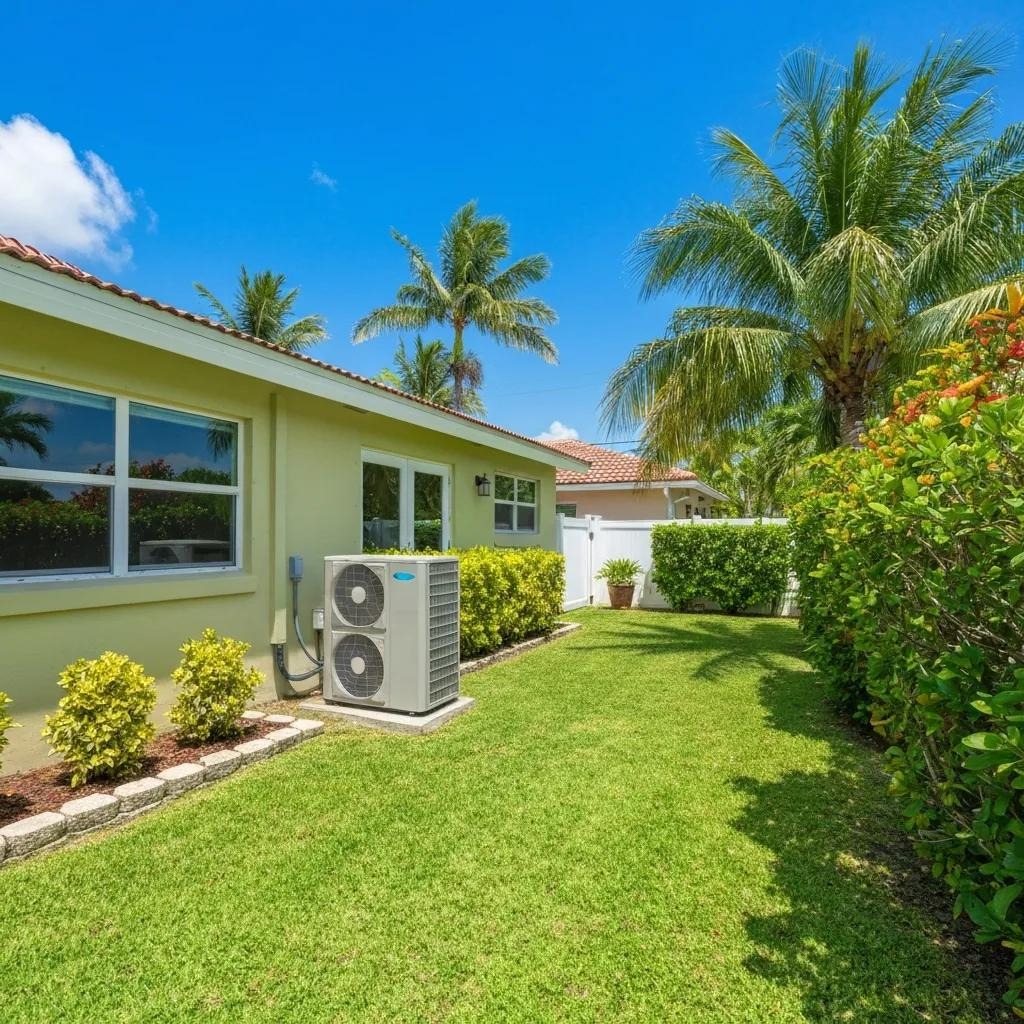
Heat pumps are the backbone of comfort in Miami — moving heat in and out of your home so you stay cool and dry during our long, humid seasons. This guide walks you through the most common warning signs that a heat pump needs repair here in South Florida, explains what those symptoms usually mean (from airflow problems to refrigerant trouble), and lists safe checks any homeowner can run before calling a technician. You’ll learn to spot drops in performance, unusual noises and odors, operational glitches like short cycling or icing, plus simple preventative steps to lengthen equipment life. We also lay out clear homeowner checks and firm thresholds for when to get a pro involved. If you’re in Miami or Hialeah and want local help, Llarena Service Center LLC offers 24/7 HVAC service and emergency repairs—call (305) 494-9374 to talk options or book a visit. The sections below cover performance issues, sound and smell alerts, operational failures, when to call a pro, preventative care, and troubleshooting checks.
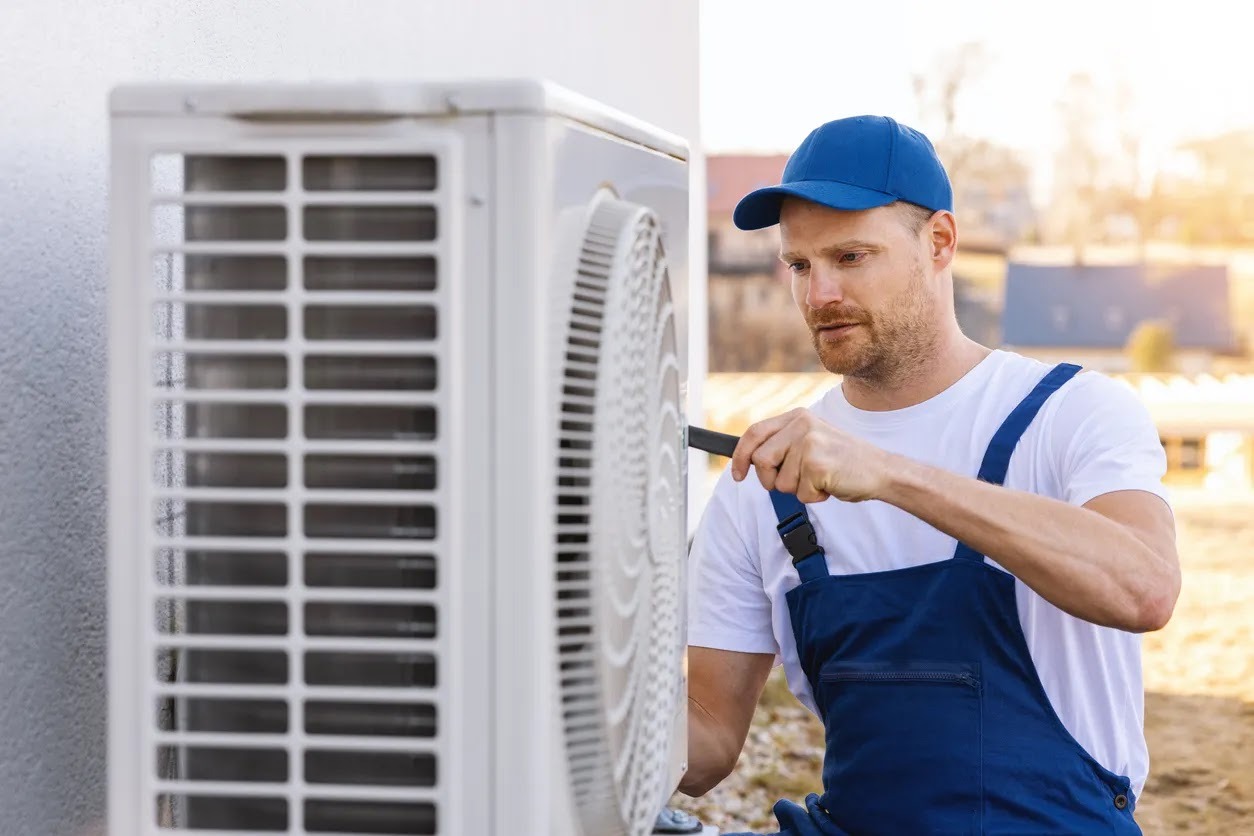
Performance issues are usually the first sign something’s wrong: lower heating or cooling output, higher-than-normal energy use, or uneven airflow. These symptoms commonly come from clogged filters, refrigerant loss, or a failing compressor. Catching problems early preserves comfort and avoids expensive breakdowns by prompting targeted inspections or basic maintenance. In Miami, where humidity and heavy cooling loads magnify small faults, watch for sudden or persistent drops in performance rather than slow seasonal changes. The list below highlights the top performance warning signs and short explanations so you know what to watch for.
Common performance signs to watch for:
Use this symptom list to prioritize checks and next steps. Many issues are narrowed down with a few homeowner checks, which helps you decide whether a filter change will do or if professional diagnostics are required.
Before you call a technician, the quick-reference table below links common symptoms to likely causes, immediate DIY checks, and when to escalate to a pro.
These checks help you prioritize safety and avoid unnecessary service calls. Anything suggesting a refrigerant leak, an electrical burning smell, or compressor failure should be escalated to a certified technician right away.
Reduced output happens when the heat pump can’t move heat efficiently — usually due to restricted airflow, low refrigerant, or worn mechanical parts. In Miami’s warm, humid climate, even a partially clogged filter or a dirty outdoor coil can drastically lower cooling capacity and force the system to run longer, which stresses the compressor. Homeowners can safely replace filters, open registers, and check thermostat settings; those steps often solve simple problems. If the unit still won’t reach the setpoint or keeps running after these checks, the issue is likely refrigerant-related or mechanical and needs professional diagnosis to prevent further damage.
Don’t delay — running a strained system accelerates wear and raises energy costs.
A sudden rise in energy use without a change in household habits often means the system is working harder because it’s less efficient — caused by dirty coils, failing motors, or a refrigerant leak. Compare current bills to the same month in previous years while accounting for temperature differences; an unexplained jump points to abnormal strain. Simple homeowner fixes like changing filters, clearing debris from the outdoor unit, and unblocking vents can help, but persistent high usage after these steps means deeper mechanical or refrigerant problems likely need a technician’s attention.
Because higher energy use increases both costs and wear, call a technician for diagnostics if bills remain high for more than one billing cycle despite basic maintenance.
Sounds and smells often show up before a full failure: grinding, rattling, or squealing usually mean mechanical wear, while burning or musty odors can signal electrical trouble or mold and biological growth on coils or in ducts. Identifying the character of a noise or scent helps you know which component may be affected — fan, motor, compressor, or wiring. Acting quickly reduces safety risks and limits further damage to your HVAC system and home.
Below are common noises and scents with likely causes and immediate homeowner precautions.
Common noises and what they suggest:
Common smells and safety notes:
If you notice dangerous noises or smells, shut down the system for electrical burning smells and ventilate the area. For less urgent odors, schedule a professional evaluation to protect indoor air quality and avoid further system damage.
Grinding or scraping usually points to worn bearings or a failing motor; rattling often means loose hardware or debris hitting moving parts in the outdoor unit. High-pitched squeals commonly come from motor bearings or worn fan components and often precede failure.
When the unit is off and safe to inspect, homeowners can look for debris, loose panels, or objects near the fan. Internal motor repairs, however, should be handled by a professional.
Because compressor or motor failures are costly, schedule service quickly after hearing these noises to limit downtime and prevent cascading damage.
Burning or electrical odors often indicate overheating wiring, failed capacitors, or seized motors and represent immediate safety hazards — turn off the unit and call a pro. Musty odors point to biological growth on evaporator coils or in ductwork, a common problem in humid Miami that can harm indoor air quality. A faint chemical or sweet scent may mean a refrigerant leak; since refrigerants require certified handling (and some newer blends are A2L-classified), don’t try to repair leaks yourself. Ventilate the area, shut the system down for electrical smells, and arrange for specialist inspection to reduce risk.
Operational irregularities — short cycling, failure to start, or ice on the coil — reduce efficiency, speed up wear, and can lead to compressor failure if not addressed.
Short cycling (frequent on/off cycles) increases mechanical stress, raises energy use, and shortens component life. Common causes include thermostat issues, incorrect refrigerant charge, or equipment that’s too large for the home.
Ice on the outdoor coil in Miami usually points to restricted airflow or low refrigerant and should be handled with safe homeowner actions followed by professional service.
The table below clarifies common operational issues, the parts usually involved, short-term risks, and long-term consequences so you can triage urgency.
This matrix helps you decide whether a safe homeowner check is enough or whether you should call for fast professional service — especially when ice or electrical issues are involved.
Frequent cycling can stem from an oversized system, a faulty thermostat that misreads temperature, or refrigerant problems that prevent steady operation. Each start places a heavy mechanical and electrical load on the compressor and motor; more starts mean shorter component life and more repairs. Check thermostat placement and settings, keep filters clean, and make sure the outdoor unit has clear airflow. If short cycling continues after these checks, have a technician test refrigerant charge and control circuits.
Fixing short cycling early protects components and lowers future repair costs.
Ice on the outdoor coil shows up as thick frost or solid ice instead of the usual light moisture or condensate. This indicates poor heat exchange from low refrigerant or restricted airflow.
Safe homeowner steps include turning off the system and letting the unit defrost, replacing clogged filters, and clearing debris around the outdoor unit to restore airflow.
If ice returns quickly after defrosting or you hear hissing or see performance loss, suspect a refrigerant leak or mechanical fault. Because refrigerant work requires certified technicians and some systems use A2L refrigerants, schedule professional diagnostics and repairs.
Quick professional action prevents compressor damage caused by running under iced conditions.
You can handle some basic checks, but call a professional when safety risks, refrigerant handling, electrical faults, or persistent performance loss are present. Clear reasons to call include burning smells, visible refrigerant leaks, sudden spikes in bills, repeated short cycling, and ice that returns after DIY defrosting.
Delaying service in Miami’s climate — where high cooling demand and humidity accelerate stress — raises the chance of indoor air quality decline, mold growth, and faster mechanical failure.
Use the checklist below to decide whether to escalate now or wait and to weigh the risks of delaying service.
Use this checklist to decide whether to call a professional now:
These guidelines balance safety and cost so urgent faults get immediate attention while routine care can be scheduled.
Llarena Service Center LLC provides Miami and Hialeah homeowners with 24/7 emergency and routine heat pump service. Our technicians deliver clear diagnostics, reliable repairs, and honest replacement guidance. We focus on transparent communication and year-round comfort solutions, including emergency response for electrical odors, refrigerant leaks, or compressor failures. For proactive owners, we offer maintenance plans and specials to help prevent breakdowns and keep equipment efficient. Schedule service by calling (305) 494-9374 or visiting our local service center. Having a local team available around the clock shortens downtime during heat waves and gives you a straightforward path from diagnosis to repair.
Regular maintenance and a few simple homeowner habits go a long way: they keep the system efficient, reduce moisture-related problems common in Miami, and catch small faults before they turn into major repairs.
A solid maintenance routine includes timely filter changes, coil cleaning, refrigerant checks, and professional tune-ups that protect both performance and indoor air quality.
The table below connects recommended maintenance tasks to how often they should be done and the benefits you can expect, so you can prioritize what matters most.
Routine maintenance keeps systems efficient, reduces humidity-driven microbial growth on coils and ducts, and prevents small issues from growing into major problems under Miami’s constant cooling load.
Preventative checks ensure refrigerant is correct, electrical connections are secure, and moving parts are properly serviced — all of which lower stress on compressors and fan motors.
By catching problems early through scheduled tune-ups, homeowners avoid emergency replacements and keep indoor air quality healthy — especially important in humid climates where mold and allergens thrive.
Investing in routine service delivers steadier performance, lower monthly bills, and a longer useful life for your heat pump.
Everyday actions — swapping filters regularly, keeping the outdoor unit clear of debris, programming the thermostat responsibly, and leaving vents unobstructed — stop many common failures and boost efficiency.
Set a schedule to check filters (monthly or quarterly depending on use), trim plants around the outdoor unit for proper airflow, and don’t block returns or supply registers with furniture or curtains.
For seasonal peace of mind, have a professional clean coils and check refrigerant during milder weather to avoid summer emergencies.
If you want proactive coverage, Llarena Service Center LLC offers maintenance plans and occasional specials to keep systems tuned and reduce the chances of mid-season breakdowns — call (305) 494-9374 for details and to schedule.
Spotting the early signs of heat pump trouble in Miami keeps your home comfortable and helps avoid costly breakdowns. Address performance drops, strange noises, and operational quirks quickly — and don’t hesitate to call a professional when safety or refrigerant work is involved. For dependable repairs, tune-ups, and 24/7 emergency service, contact Llarena Service Center LLC. Don’t wait for a small issue to become a big one — give us a call and we’ll help keep your system running at its best.

.png)